National Native American Heritage Month, November 2026
Departmental News
Posted: Nov 01, 2026 - 12:00pm
UNM celebrates National Native American Heritage Month, November 2026. Click on the red links below for more information. Scroll down to read about UNM groups, events, Native American Heritage Month history, Native American scholars, research, news and Native American organizations.
UNM American Indian Student Services

"American Indian Student Services (AISS)was established during the 1980-1981 academic year to increase the recruitment & retention of Native students. Currently, American Indian Student Services provides a range of student support programming for students attending The University of New Mexico-Main Campus in an effort to ensure their academic achievement and assist in the development of personal, cultural, and social success. AISS is also a liaison for students attending local high schools and schools located on or near tribal reservations; tribal and community colleges; tribal governments; and tribal higher education programs and organizations that directly impact the recruitment and retention of American Indian/Indigenous students at The University of New Mexico-Main Campus. All students are welcome!"
"Providing opportunities that enhance the ability of American Indian/Indigenous students to be successful."

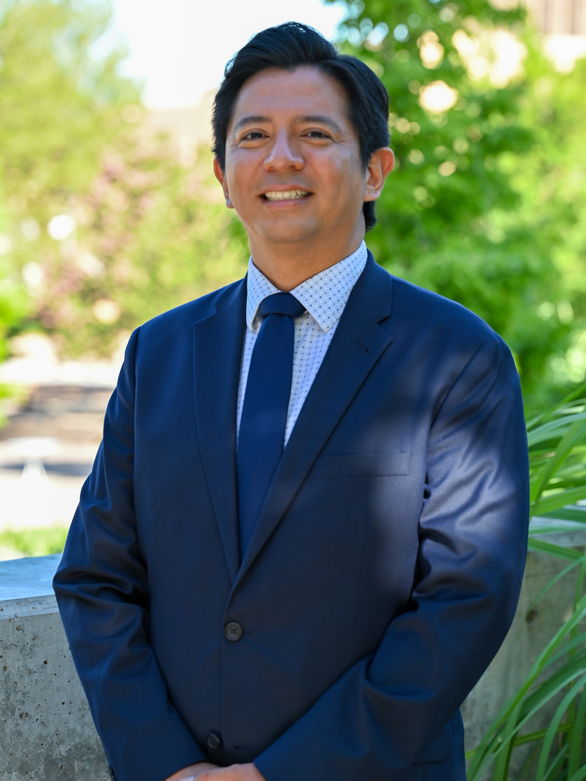 "...Andrew Yazzie (Diné) [is the] Director for American Indian Student Services (AISS). Yazzie [took] over the helm after long-time director, Pam Agoyo (Cochiti, Kewa, Ohkay Owingeh), was promoted to executive director for Student Support in July 2023. ...Yazzie earned both his Master of Public Administration and bachelor’s degree in Family Studies from The University of New Mexico and utilized AISS frequently during his time as an undergraduate student...Yazzie credits his fourteen years of service in AISS, and the groundwork laid by Agoyo as the best preparation for his new role. “Throughout my time at AISS, I’ve had the opportunity to develop connections across campus every day via partnerships and collaborations and by serving on a number of committees,” he said. “I understand the importance of utilizing Indigenous student development theories to inform the ways in which we support student success and oversee all aspects of AISS advisement and student support services.” Learn more
UNM Department of Native American Studies
"As an interdisciplinary academic department, NAS is committed to Indigenous academic scholarship and research excellence. NAS offers a Doctor of Philosophy (Ph.D.), Master of Arts (M.A.), a Bachelor of Arts (B.A.), an Accelerated Online Bachelor of Arts (B.A.), and a minor degree at the University of New Mexico. Our goal is excellence in educating all students and the public about the Native experience of Indigenous peoples with significant attention given our complex history and intercultural heritage of New Mexico and the United States. Another goal is to create a department that collaborates with Native communities and engages students in Nation building."
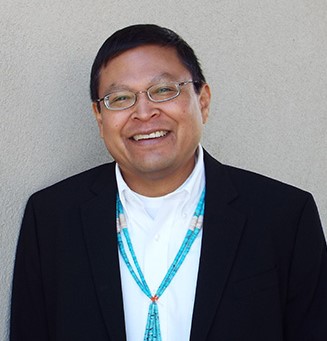 "Dr. Lloyd L. Lee [chair of the Department of Native American Studies] is an enrolled citizen of the Navajo Nation. He is Kinyaa’áanii (Towering House), born for Tł‘ááshchí’í (Red Cheeks). His maternal grandfather’s clan is ‘Áshįįhi (Salt) and his paternal grandfather’s clan is Tábąąhá (Water’s Edge). He is Professor of Native American Studies, Director of the Center for Regional Studies (CRS), and editor of the Wicazo Sa Review journal. He is the author of Diné Identity in a 21st Century World (2020), Diné Masculinities: Conceptualizations and Reflections (2013), co-author of Native Americans and the University of New Mexico (2017), edited Nihikéyah: Navajo Homeland (2023), Navajo Sovereignty: Understandings and Visions of the Diné People (2017), and Diné Perspectives: Reclaiming and Revitalizing Navajo Thought (2014), and co-edited The Yazzie Case: Building a Public Education System for Our Indigenous Future (2023) with Wendy S. Greyeyes and Glenabah Martinez. His research focuses on Indigenous identity, masculinities, lleadership, philosophies, and Native Nation building/Indigenous community building."
Native American Studies Indigenous Research Group
NASIRG encourages research participation, raises consciousness regarding Indigenous issues, increases student-community involvement and fosters the exchange of ideas.
Native Curriculum Partnership (NCP)
"The Native Curriculum Partnership (NCP) is a University of New Mexico initiative led by the Center for Regional Studies, the Department of Native American Studies, and the Institute for American Indian Education. The Partnership collaborates with local tribal leaders, Native educators, and community consultants to develop Indigenous film and curriculum materials for K-12 students in New Mexico.
The Native Curriculum Partnership acknowledges the landmark Yazzie/Martinez v. State of New Mexico decision. It actively works towards advancing college and career-ready education opportunities for New Mexico's diverse student population. These efforts primarily benefit low-income students, students of color, English language learners, and students with disabilities."
Students Talk About Native American Studies
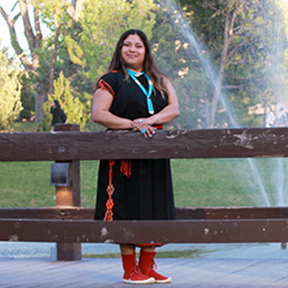 “I feel that I have gained a type of consciousness and by this I am not claiming to have gained the knowledge of my elders, but I feel that I have begun to scratch the surface of what it means to be a critical thinker.”
Lorilei Chavez (Kewa Pueblo)
BA, Native American Studies, UNM
Concentration in Leadership & Building Native Nations
History Minor
UNM Department of Anthropology and UNM Department of Native American Studies Hitchcock-Kelly Fund for Human and Indigenous Peoples’ Rights
"The Hitchcock-Kelly Fund for Human and Indigenous Peoples’ Rights will provide support for collaborative projects and programs implemented between the Departments of Anthropology and Native American Studies. The projects will include annual support of student-related research and applied activities that advance and bring attention to human rights and Indigenous peoples’ rights."
Students Awarded Grants from The Hitchcock-Kelly Fund for Human and Indigenous Peoples’ Rights
UNM Department of Native American Studies on You Tube

"The UNM HSC Center for Native American Health specializes in student and workforce development, community engagement, community-based participatory research (CBPR), community health assessment capacity building, program planning, and project management. We partner with students, staff, faculty, community groups, organizations, and government agencies to develop sustainable solutions and creative pathways for improving the health and well-being of Indigenous people. CNAH approach focuses on community strengths such as local and unique knowledge, core cultural value systems, and health beliefs." Learn more
The Institute of American Indian Research
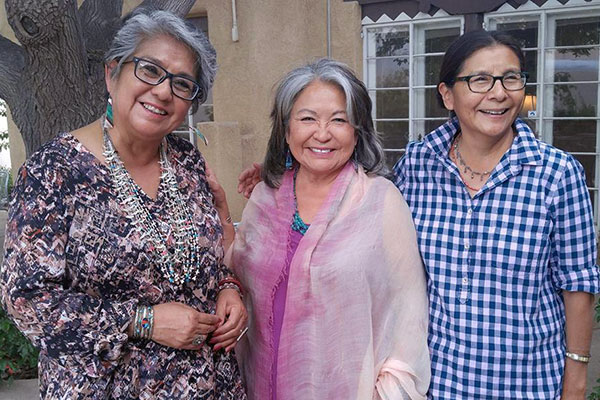 "The Institute for American Indian Research (IFAIR) promotes Native and Indigenous education, research, and service at UNM. Each academic year, we host and support many events to foster the study of Indigenous nation-building, community organizing, and Indigenous peoples. In 2022, IFAIR launched the Luci Tapahonso Distinguished Indigenous Speaker Series. Professor Emeritus Luci Tapahonso (Diné) began her literary career in the English Department at the University of New Mexico. Internationally acclaimed for her poetry and narratives about Diné life and culture, Tapahonso has been a role model and inspiration to countless Diné and Indigenous students. Given Tapahonso’s significant impact to the Navajo Nation and UNM, it is only fitting that we named our new speaker series in her honor.
 "Dr. Maia Rodriguez is an enrolled member of the Lipan Apache Tribe of Texas [and Interim Director of the Institute for American Indian Research.] Her research examines how aesthetic production (e.g., literature) and, more widely, Indigenous worldview (e.g., ontologies, epistemologies, axiologies) inform sovereignty and community- and nation- building. Her current book project, Geronimo’s Ghosts: Specters of Sovereignty in the Post-Civil Rights Ethnic American Novel, considers Native/nonnative nonwhite (e.g., African American, Asian American, and Chicana/o) solidarities through the framework of Indigenous resistance, decolonization, and futurity, envisioning new grounds for political alignment beyond the tension between sovereignty/civil rights models. ... Her community-based research interests also concern what land reclamation and cultural resurgence means for formerly nonlandholding Indigenous communities, especially in Texas, the greater Southwest, and the U.S./Mexico borderlands, and how these unique cases nuance our understanding of such matters as the relationship between place, peoples, and sovereignty. In 2023-2024, she conducted research on the reclamation and restoration of Cementerio del Barrio de los Lipanes by her tribe. She has also started research for her second book project, In the Light and Shadow: (Re)building an Indigenous Nation, which will focus on Lipan Apache and other Indigenous communities’ land reclamation, cultural revitalization, and community- and nation- building.
Institute for American Indian Education
"Originally created in 2004, the Institute for American Indian Education (IAIE) was created by Native education faculty in the College of Education in response to the overwhelming need to increase the number of Native American teachers and improve American Indian Education. In 2017, the work expanded to collaborate with other faculty from the College of Arts and Sciences’ Department of Native American Studies (NAS) as a planning effort to revitalize the institute.
The mission of the Institute for American Indian Education is to support community intergenerational well-being and educational outcomes of Indigenous Peoples by cultivating the quality of educational professionals through community engagement with Native Nations and collaborative partnerships with educational stakeholders." Learn more
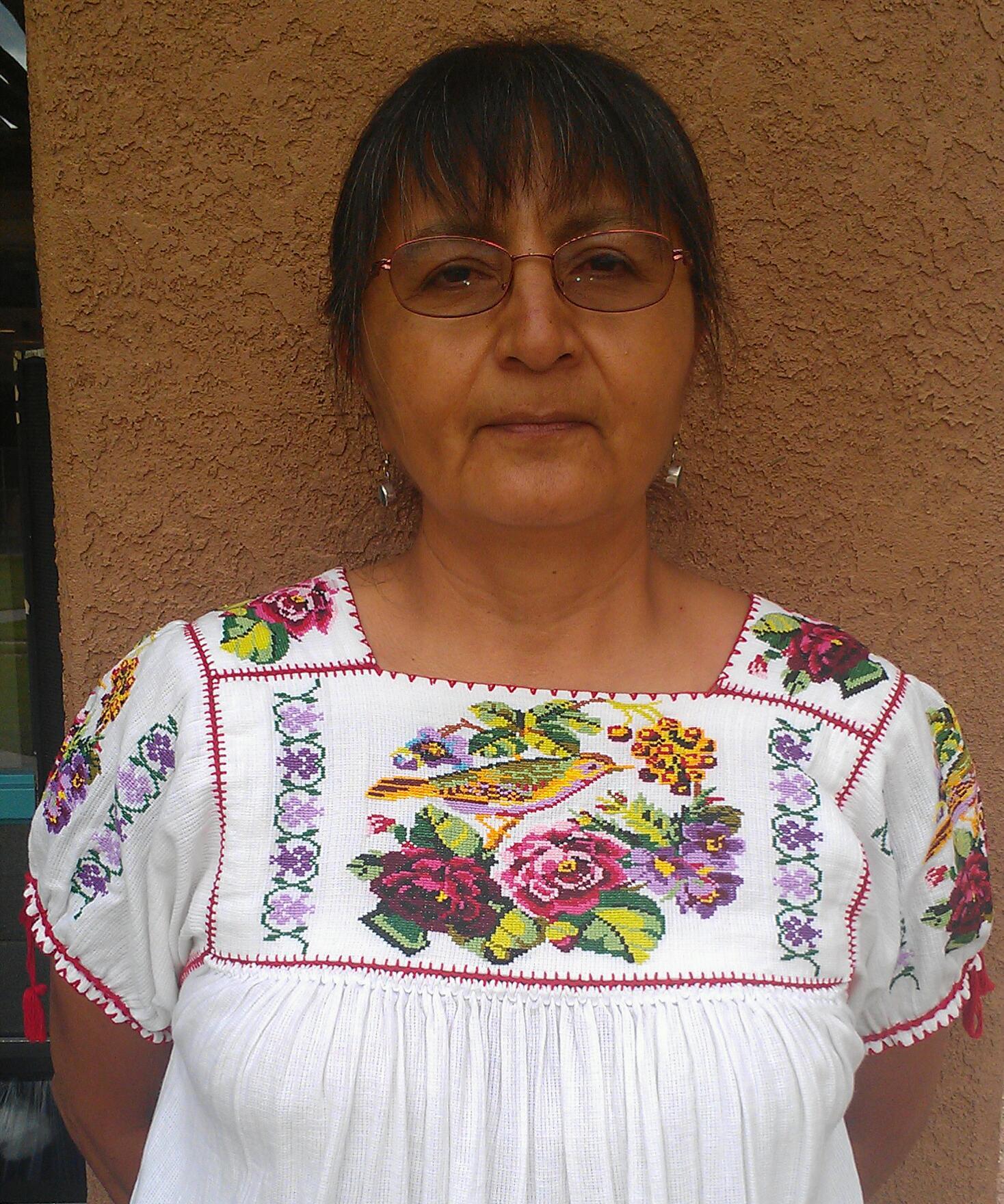 Dr. Glenabah Martinez is an Associate Professor in the Language, Literacy & Sociocultural Studies Department in Educational Thought and Sociocultural Studies and the Director of the Institute for American Indian Education. Her research focuses on critical educational studies,historical literacy, and Indigenous studies. She formerly served as the Director for Native American Studies (now the Department of Native American Studies)
Native American Budget and Policy Institute
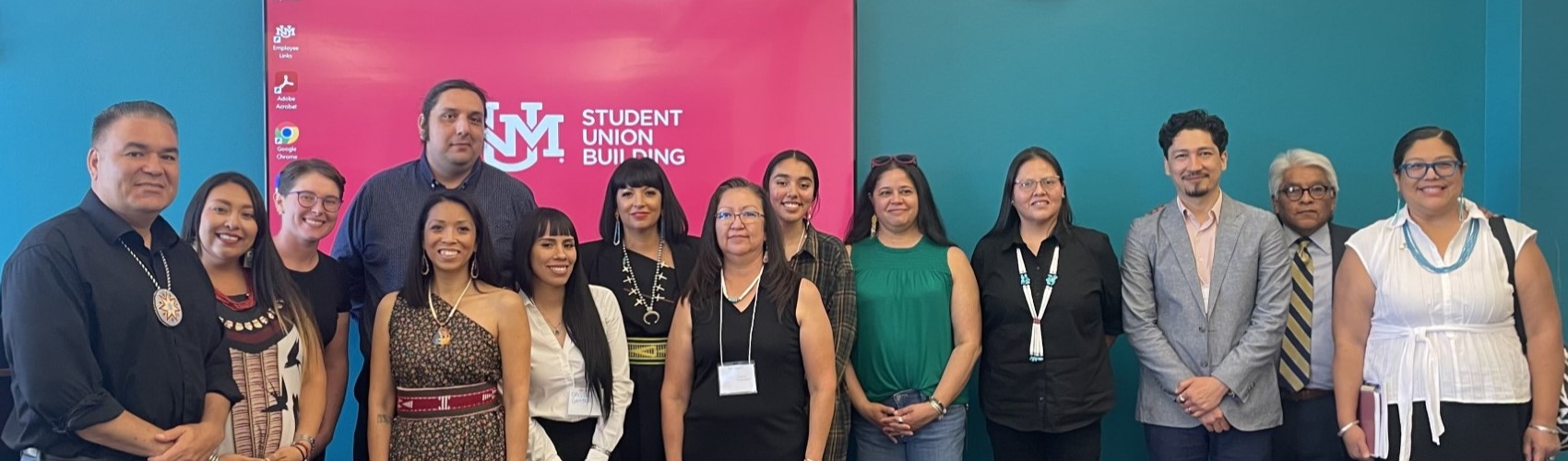
"The University of New Mexico Native American Budget and Policy Institute (UNM NABPI/NABPI) is a leading research and policy hub, serving New Mexico’s 23 Pueblos, Nations, and Tribes. The work of UNM NABPI focuses on research, budget, and policy analysis for systemic change anchored in tribally determined priorities and needs.
Collaboration & Partnership: The Institute works with a wide variety of local, national, and international experts on tribal and indigenous health, sovereignty, justice, education and policy. Experts include community members and advocates along with Native American, First Nations, and international Indigenous scholars from across the globe. UNM NABPI’s research and policy team engage in meaningful research, policy, and partnerships that drive change for rural and urban tribal communities across New Mexico and the nation. 
Mentorship: UNM NABPI mentors students from a variety of disciplines and educational institutions across the United States and globally. If you are interested or know a student or community member who may be interested in an internship, or working with UNM NABPI, contact us at nabpi@unm.edu."
Tribal Remedy Framework
"The Tribal Remedy Framework (TRF) is a comprehensive plan for meeting the educational needs of Native students and their tribal communities. It was created collectively by tribal community members and Indigenous education experts, following a series of tribal Community Education Institutes and Pueblo Convocations. The Tribal Remedy Framework has been endorsed by the leadership of New Mexico’s 23 Nations, Tribes and Pueblos."
Research and Publications :: Native American Budget and Policy Institute | The University of New Mexico (unm.edu)
Indigenous Nations Library Program

"The Indigenous Nations Library Program supports Indigenous learning, promotes Indigenous scholarship, and cultivates Indigenous creation. Our goal is to cultivate and support people to be active agents of change in Indigenous communities by providing culturally safe learning environments, culturally relevant information services and developing a community of scholars that advance scholarship, teaching and intellectual discovery.
Indigenous Learning
To support and culturally interface Indigenous ideas and academic content in a mutually balanced approach.
Indigenous Scholarship
To promote and bring awareness to Indigenous information, publications, research, and ideas!
Indigenous Creation
To cultivate Indigenous ideas, arts, and knowledge for the benefit of the broader intellectual community."

"Sarah R. Kostelecky (Zuni Pueblo) is an associate professor and director of the Indigenous Nations Library Program (INLP). At University Libraries she previously served as the director of Digital Initiatives and Scholarly Communication, the Research Services Librarian for Education, and [as] an Access Services Librarian in the Indigenous Nations Library Program. ... Sarah recently returned from a term position for the Library of Congress as the Program Specialist (Indigenous Peoples), a new role that was focused on updating inaccurate Indigenous subject headings. Prior to UNM, Sarah was the library director at the Institute of American Indian Arts in Santa Fe, NM and has worked at the Albuquerque/Bernalillo County Public Library. Her research interests include Indigenous representation in library collections, outreach efforts to Indigenous communities and cultural humility in libraries."
UNM School of Law Tribal Law Journal
 "Let Our Voices Be Heard, Let Our Stories Be Told."
"The Tribal Law Journal was established in fall 1998 for the purpose of promoting indigenous self-determination by facilitating discussion of the internal law of the world's indigenous nations. The internal law of indigenous nations encompasses traditional law, western law adopted by indigenous nations, and a blend of western and indigenous law. Underscoring this purpose is the recognition that traditional law is a source of law.
Since the Tribal Law Journal's inception, the Tribal Law Journal has become the premier indigenous law journal in the United States and is one of the few international legal journal sources dedicated to indigenous and tribal law.
This Journal provides native peoples, practitioners, and law students an opportunity to contribute their work to the discussion relating to internal indigenous law. Contributions include, but are not limited to, tribal court case comments, reflections on tribal systems, the development of tribal law, the value of tribal law, interviews, and teachings.
The Tribal Law Journal is strictly an on-line forum hosted through the University of New Mexico School of Law which provides free access and the opportunity for comment and discussion about journal items. In addition, an on-line forum provides a variety of media to best capture indigenous thought and expression."
UNM HSC Center for Native Environmental Health Equity Research
"The Center for Native American Environmental Health Equity employs sustainable, culturally-informed practices to enhance environmental health (EH) literacy, increase tribal EH research capacity, foster community engagement in EH research, and implement multi-directional translational strategies for disseminating the Center’s research. The Center for Native EH Equity has established partnerships with three Indigenous communities to conduct this research: Navajo – Tachee/Blue Gap Community; Cheyenne River Sioux Tribe – Missouri Breaks Research Industries, Inc.; Apsáalooke - Crow Environmental Health Steering Committees."
Native Americans in Science, Technology, Engineering and Mathematics (NASTEM)
 "Native Americans in Science, Technology, Engineering and Mathematics (NASTEM) - formerly known as the Native American Program, School of Engineering - historically provides support services to Native American students majoring in Science, Technology, Engineering or Math (STEM) degree programs at the University of New Mexico and has been in operation since 1975. Our mission is to provide academic support to active members of AISES, AISS, Kiva Club, or other Native American focused student organizations entering degree programs in science, engineering, technology and mathematics. NASTEM provides a supportive community environment, academic support services, coordinates informational workshops and offers academic scholarships to assist with the successful matriculation into STEM careers. Eligible students have the opportunity to receive scholarships, internships, student employment and paid travel to national career conferences."
UNM School of Engineering Celebrates 50th Anniversary of its Native American Program
Events
November 4 4 - 6 PM 4th Annual Luci Tapahonso Distinguished Indigenous Speaker Series: Jodi A. Byrd presents Indigenomicon: American Indians, Video Games, and the Structures of Dispossession, hosted by the Institute for American Indian Research (IFAIR); Hodgin Hall’s Bobo Room (3rd Floor)
November 6, 8-12 PM, Native American Boarding School Healing Project, Indian Pueblo Cultural Center. Register in advance.
November 6 12- 3 PM Festival of Languages, hosted by the UNM Language Learning Center, Ortega Hall LLC
November 6, 8-5 PM, Fall 2026 Wicazo Sa Review Symposium, hosted by the UNM Department of Native American Studies, Student Union Building , Ballroom C
November 10 2:30 PM Success Series - Wy'east Medicine Pathway, hosted by UNM American Indian Student Services, 1119 Mesa Vista Hall
November 11, 9-5 PM, Veterans' Day at the Indian Pueblo Cultural Center
November 11, 12:30 PM CTL - Navajo (Diné) Conversation, hosted by the UNM Language Learning Center, Ortega Hall LLC
November 11 10-2 PM UNM American Indian Student Services (AISS) Feast Day; Cornell Mall
November 11 4-8 PM, Break for the Ball, Hosted by UNM American Indian Student Services; Johnson Gym
November 12 9-3:30 PM, De-stress w/ AISS - Jemez Feast, Jemez Pueblo NM
November 18 10 AM, Success Series - Building Your Path to Law School, hosted by UNM American Indian Student Services, 1119 Mesa Vista Hall
November 20 11:30-1:30 PM, Teach In: Native Nations and Communities in New Mexico Today, hosted by the UNM Department of Native American Studies; UNM Student Union Building, Lobo Rooms A&B
November 20, 6 PM, Coming Home: Reflecting on Five Years of "Grounded in Clay," Indian Pueblo Cultural Center
November 21, 9-5 PM, Native American Student Art Show: Shaping Tomorrow, Indian Pueblo Cultural Center (opening reception 2-4 PM)
Ongoing virtual exhibits hosted by the National Museum of the American Indian
UNM Podcast: It’s (Probably) Not Rocket Science Cradle of culture: How do children learn Navajo?
National Museum of the American Indian Online Events
Permanent Exhibit: People of the Southwest, Maxwell Museum of Anthropology
Visit the New Mexico True website for ways to celebrate Native American Heritage Month all year
View the Smithsonian Indigenous Voices collections online
Online Virtual Exhibit: Why We Serve, Smithsonian Institute
Online Virtual Exhibit at the National Gallery of Art: The Land Carries Our Ancestors: Contemporary Art by Native Americans
Listen to Side Door Podcasts on the Smithsonian website
Visit the Indian Pueblo Cultural Center for online and in person events and exhibits in Albuquerque throughout the month
Visit the School for Advanced Research (SAR) YouTube page to view lectures and events
Native America Calling Culture Connection: Turkeys LISTEN NOW
The National Archives Museum presents Developing Stories: Native Photographers in the Field photo essays
The Public Broadcasting System provides free online videos featuring Native American heritage
View more videos from the Maxwell Museum of Anthropology Coiling Kin Exhibit
Dr. Dustin Martin presents Indigenous Running: Modern Opportunity Defined by Ancestral Endurance
Scholars
 Dr. Alfonso Ortiz (1939-1997) "was a member of the Pueblo of Ohkay Owingeh, Professor of Anthropology at the University of New Mexico and a MacArthur fellow. Born in Espanola to an inter-cultural family, Ortiz graduated from the University of New Mexico with a degree in Anthropology in 1961. He went on to earn a masters degree in 1963 and his PhD in 1967 from the University of Chicago. Ortiz believed that scholarship about American Indian people should not be limited to universities and academics, but that members of Indian communities should undertake it as well." In 2000, the Alfonso Ortiz Center for Intercultural Studies was founded at the University of New Mexico. "The collaborative vein that the Alfonso Ortiz Center promotes is one that shares research and practice to bring about learning and growth in understanding similarities and differences in outlook. Alfonso Ortiz was also responsible for supporting many Indian communities throughout the Southwest and nationally, and in that spirit of his legacy the Alfonso Ortiz Center for Intercultural Studies was created." Visit the Alfonso Ortiz Center for Intercultural Studies to learn more
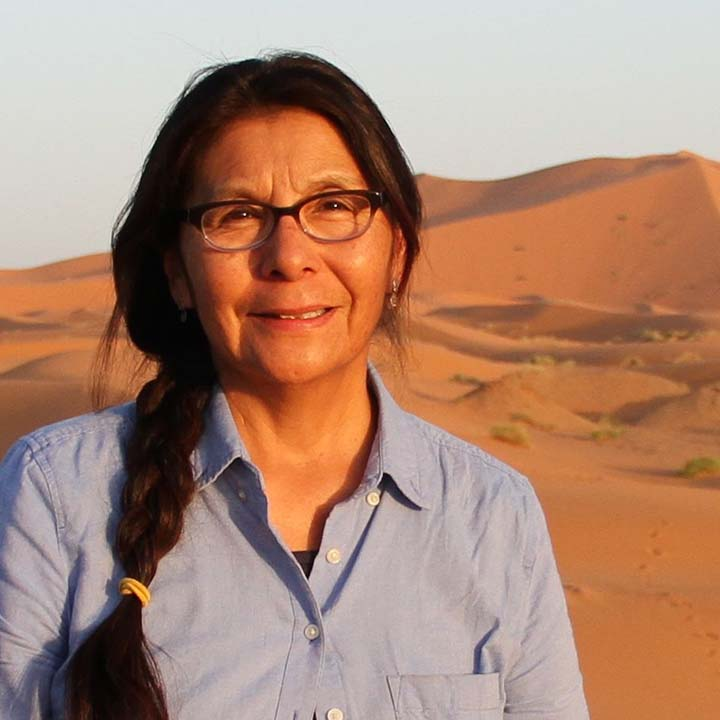 Dr. Beverly Singer was the first Native American woman from Santa Clara Pueblo hired by the UNM Department of Anthropology, holding a joint appointment with the UNM Native American Studies Department. She served as the first Director of Alfonso Ortiz Center for Intercultural Studies. Dr. Singer is a documentary filmmaker whose work examines issues facing indigenous societies. “A sample of her productions include the feature film Who We Are for the National Museum of the American Indian, independent documentary Hozho of Native Women, Native Youth New Mexico for the Museum of Indian Arts and Culture, a National Endowment for the Humanities project Pueblo Women: Journeys and Pathways-Oral Histories of Contemporary Pueblo Women in Service, Leadership and the Arts with the Indian Pueblo Cultural Center, [and] From My Berber Heart featuring Malika Boukbout. Dr. Singer recently filmed and produced Journeys and Pathways: Contemporary Pueblo Women in Leadership, Service, and the Arts Oral History Project in collaboration with the Indian Pueblo Cultural Center and funded by the National Endowment for the Humanities.
Read more on Women Make Movies: Profile of Beverly R. Singer
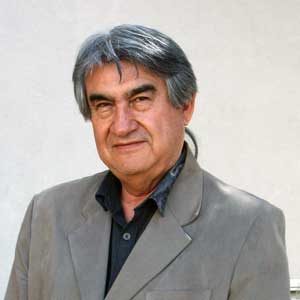 Gregory Cajete, PhD (Santa Clara Pueblo), is a Native American educator whose work is dedicated to honoring the foundations of Indigenous knowledge in education. Dr. Cajete is a Tewa Indian from Santa Clara Pueblo, New Mexico. He has served as a New Mexico Humanities scholar in ethno botany of Northern New Mexico and as a member of the New Mexico Arts Commission. ... He worked at the Institute of American Indian Arts in Santa Fe, New Mexico for 21 years. While at the Institute, he served as Dean of the Center for Research and Cultural Exchange, Chair of Native American Studies and Professor of ethno science. He organized and directed the First and Second Annual National Native American Very Special Arts Festival held in respectively in Santa Fe, NM in 1991 and Albuquerque, NM in 1992. In 1995, he was offered a position in American Indian education in the University of New Mexico, College of Education. Currently, he is a Professor of Native American Studies and Language, Literacy and Sociocultural Studies at the University of New Mexico. ...Dr. Cajete has received several fellowships and academic distinctions, including the American Indian Graduate Fellowship from the US-DOE Office of Indian Education (1977-78); the D’arcy McNickle Fellowship in American Indian History from the Newberry Library, Chicago, IL (1984-85); and the Katrin Lamon Fellowship in American Indian Art and Education (1985-1986) from the School of American Research in Santa Fe, NM. " Read more
 "Dr. Jennifer Nez Denetdale, Professor and Chair of American Studies and former director of UNM's Institute for American Indian Research (IfAIR). She has been recognized for her scholarship and service to her nation and community with several awards, including the Rainbow Naatsiilid True Colors for her support and advocacy on behalf of the Navajo LGBTQI and the UNM Faculty of Color Award for her teaching, research and service in the academy. In 2013, she was awarded the UNM Sarah Brown Belle award for service to her community. In the spring of 2015, she was recognized for Excellence in Diné Studies by theNavajo Studies Conference, Inc. She is also very proud to have been selected to deliver the inaugural address before the 23rd Navajo Nation Council upon their inauguration in January 2015. In 2017, she was awarded the UNM Presidential Award of Distinction." Learn more
 "Dr. Tiffany S. Lee (Diné /Lakota) is Dibé Łizhiní (Blacksheep) and born for Naałaní (Oglala Lakota). She is from Crystal, New Mexico, located on the Navajo Nation, on her mother’s side, and Pine Ridge, South Dakota on her father’s side. Dr. Lee is a Professor and former chair of Native American Studies at the University of New Mexico. [She was promoted to the rank of Distinguished Professor in 2024, the highest honor offered by the University. Lee is currently president of the American Indian Studies Association. She was the founding chair of the Native American Studies department. Outside of UNM, she has served on numerous state and community councils and working groups related to American Indian education.] She earned her doctorate in Sociology of Education from Stanford University. Her research examines Native youth perspectives with regard to language reclamation and identity. She also investigates socio-culturally centered educational approaches. In 2016, she was awarded a grant from the Spencer Foundation to examine the impact of Indigenous language immersion schools on Native American student achievement." Her research has also been featured in UNM News: Revitalizing the Diné Language for the Next Generation
 "Dr. Wendy S. Greyeyes (Diné) is an Associate Professor of Native American Studies at the University of New Mexico. She recently completed a prestigious fellowship at Diné College called the Nídahwiil’aah Fellows Program, funded by the Mellon Foundation. Dr. Greyeyes formerly worked for the Arizona Governor as a Tribal Liaison for the Arizona Teacher Excellence Program and Homeland Security, a Grassroots Manager for the Indian Self Reliance Initiative in Arizona, a Statistician/Demographer for the Department of Diné Education, a Program Analyst/Chief Implementation Officer for the Bureau of Indian Education, and a research consultant with the Department of Diné Education. She is [currently the Chair of the Navajo Nation Human Rights Commission], former President of the Diné Studies Conference, Inc., former President of the American Indian Studies Association (AISA), and faculty advisor for the Kiva Club. ...Her research is focused on political sociology, organizational analysis, Indigenous education, tribal sovereignty, and Nation Building. Recent publications include her book titled A History of Navajo Education: Disentangling our Sovereign Body (2022) and in October 2023, the The Yazzie Case: Building a Public Education System for Our Indigenous Future, edited by Wendy S. Greyeyes, Lloyd L. Lee and Glenabah Michelle Martinez." Last year, she received a UNM Provost Research Creative Works Leadership Award
 "University of New Mexico architecture professor Chris Cornelius was honored with induction into the National Academy, the leading honorary society for visual arts and architecture in the United States...Cornelius was one of 27 members selected for the NA’s 2025 class, which also celebrated the organization’s 200th year. Cornelius and the rest of the class were officially recognized in a ceremony at the Morgan Library & Museum in New York City....Cornelius, a faculty member at UNM in the School of Architecture and Planning for the past four years, is a citizen of the Oneida Nation of Wisconsin, and was raised on the reservation before becoming a first-generation college student. A pathway that he said was part of his motivation to come to UNM...In addition to his work at UNM, Cornelius runs studio:indigenous, a firm that won Architect’s Newspaper Best of Practice Award for Best Small Firm, Southwest, in 2023. As part of his induction into the National Academy, Cornelius will donate a signature work that will be displayed alongside works from other members of his class starting sometime next year." Read the full UNM News article
 "A faculty member at The University of New Mexico is set to receive a national teaching award. Shawn Secatero, Ph.D., is an associate professor within the College of Education and Human Sciences, and the coordinator of the Promoting our Leadership, Learning, and Empowering our Nations (POLLEN) Program. Secatero will be presented with the 2026 recipient of the Best Practice Award in Support of Multicultural Education and Diversity by the American Association of Colleges for Teacher Education (AACTE), one of the highest honors AACTE bestows. This award, sponsored by AACTE’s Committee on Global Diversity, recognizes the infusion of diversity throughout all components of a school, college, or department of education as critical to quality teacher preparation and professional development." Read the full UNM News article
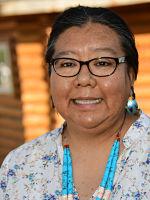 "Dr. Melvatha R. Chee [Associate Professor and Director of the Navajo Language Program in the UNM Linguistics Department] is Tsé Nahabiłnii, Kin Łichíi’nii, Hooghan Łání and Áshįįhí, a Diné woman from Lake Valley, New Mexico. She has over 15 years of experience working with her heritage language in a professional capacity. This includes interpretation, translation, transcription, teaching and research. Dr. Chee’s work includes teaching the Diné language at the University of New Mexico, serving as an official interpreter for the U.S. Department of Justice, and translating voting ballots for the State of New Mexico. Her research work analyzes child language data collected from first language speakers of Navajo. ...Dr. Chee, a United States Marine Corps Veteran, is a fluent speaker of Navajo and became literate at a very young age. As a linguistically trained individual, she offers a unique insight into research on Navajo." In 2024, she was awarded the Mary R. Haas Book Award from the Society for the Study of the Indigenous Languages of the Americas for her thesis A Longitudinal crosssectional study on the acquisition of Navajo verbs in children aged 13 months through 10 years.
 "Turquoise “Chenoa” Velarde, Indigenous outreach coordinator at the University of New Mexico-Taos, has been selected as a Class Four Fellow in the W.K. Kellogg Foundation Community Leadership Network in partnership with the Center for Creative Leadership. The fellowship began in January 2026 and runs for 18 months, bringing together 80 leaders from across the United States, Tribal Nations and W.K. Kellogg Foundation priority places, including New Mexico, Michigan, Mississippi and New Orleans. Fellows participate in in-person and virtual gatherings focused on leadership development, relationship building and community transformation. Velarde, who is from Taos Pueblo and the Jicarilla Apache Nation, works to support Indigenous students by connecting educational institutions with tribal communities and promoting educational access and equity. As UNM-Taos Indigenous outreach coordinator, she helps students navigate higher education while maintaining strong cultural connections. An educator and advocate for Indigenous educational sovereignty, Velarde’s work focuses on creating opportunities for tribal students and strengthening partnerships between schools and communities in Northern New Mexico. She holds a bachelor’s degree in business administration from Fort Lewis College and a master’s degree in language, literacy and sociocultural studies from The University of New Mexico." Read the full UNM News article
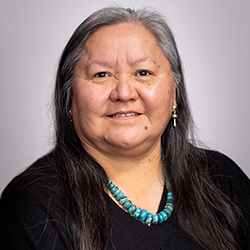 Dr. Lorenda Belone, "professor in The University of New Mexico’s College of Population Health (COPH) had an integral role in developing the [The Family Listening Program (FLP), which connects young people in tribal communities with their elders in ways that empower them to live their best lives – and it’s done so for more than 20 years.] Now young adults who previously participated in the program as children head to college as leaders in their communities. The story of the Family Listening Program is one that demonstrates the power of collaborative interventions rooted in cultural understanding. Integral to the program's success is the collaboration with Tribal research teams and community partners. These teams actively contribute to and shape the research process as part of the team’s community-based participatory research (CBPR) approach. This approach ensures cultural relevance and community ownership, fostering intervention sustainability beyond the research grants. Belone highlighted that incorporating the voices of the community in the research process is non-negotiable. It's not about studying the community; it's about working with them to identify their needs and co-creating solutions." Read more about Dr. Belone's work
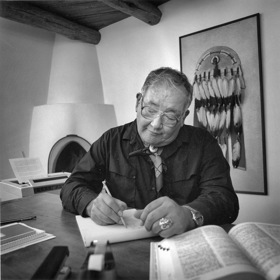 "Navarre Scott Momaday, the nation’s most celebrated Native American writer, died at his home in Santa Fe on January 24 (2024). He was 89. Momaday, a member of the Kiowa Tribe, is remembered at [The School for Advanced Research] SAR for his long service to this institution: as a Katrin Lamon Resident Scholar, senior scholar, and member of SAR’s board of directors (1997-2005). In February 2023, SAR awarded him our first-ever Centennial Medal in recognition of his contributions to SAR, to Native Americans, and to the world. As memorial tributes to Scott Momaday pour in, we will add the best of them to this blog post. He was a recipient of so many awards that it is difficult to say anything about his accomplishments that hasn’t been said before. Suffice it to say that the members, staff, and directors of SAR mourn his passing and remember with affection and respect his gifts as a writer, poet, and painter as well as his generosity of spirit and unforgettable voice, both in person and on the page. We at SAR offer our condolences to his family and to the thousands of readers inspired by his books. --Michael F. Brown, President, SAR"
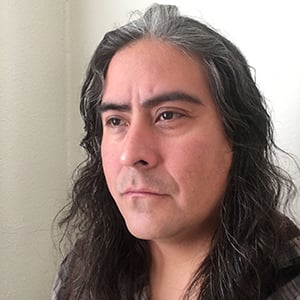 Raven Chacon, Indigenous Composer; artist (’01) was awarded the James F. Zimmerman Award by the UNM Alumni Association in 2024. [He] is a composer, performer and installation artist from Fort Defiance, Navajo Nation. As a solo artist, Chacon has exhibited, performed, or had works performed at LACMA, The Renaissance Society, San Francisco Electronic Music Festival, REDCAT, Vancouver Art Gallery, Haus der Kulturen der Welt, Borealis Festival, SITE Santa Fe, Chaco Canyon, Ende Tymes Festival, and The Kennedy Center. As a member of Postcommodity from 2009-2018, Chacon co-created artworks presented at the Whitney Biennial, Documenta 14, Carnegie International 57, and the 2-mile-long land art installation Repellent Fence. A recording artist over 22 years, Chacon has appeared on more than 80 releases on various national and international labels. In 2022, he was awarded the Pulitzer Prize in Music for his composition Voiceless Mass. His 2020 Manifest Destiny opera Sweet Land, co-composed with Du Yun, received critical acclaim from The LA Times, The New York Times, and The New Yorker and was named 2021 Opera of the Year by the Music Critics Association of North America." Learn more
About National Native American Heritage Month
The Smithsonian Institute National Museum of the American Indian
"A diverse and multifaceted cultural and educational enterprise, the National Museum of the American Indian (NMAI) is an active and visible component of the Smithsonian Institution, the world's largest museum complex. The NMAI cares for one of the world's most expansive collections of Native artifacts, including objects, photographs, archives, and media covering the entire Western Hemisphere, from the Arctic Circle to Tierra del Fuego...Since the passage of its enabling legislation in 1989 (amended in 1996), the NMAI has been steadfastly committed to bringing Native voices to what the museum writes and presents, whether on-site at one of the three NMAI venues, through the museum's publications, or via the Internet. The NMAI is also dedicated to acting as a resource for the hemisphere's Native communities and to serving the greater public as an honest and thoughtful conduit to Native cultures—present and past—in all their richness, depth, and diversity." Visit their website to see ongoing virtual exhibits
The National Parks Service Celebrates National Native American Heritage Month
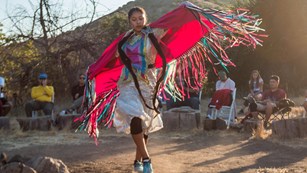 "America is a vast land of many cultures dating back thousands of years to the original inhabitants of the land. History, heritage, or culture of Native Americans, Alaska Natives, and Native Hawaiians are part of every national park and communities across the country today. Every November during Native American Heritage Month and throughout the year, the National Park Service and our partners share history and the continuing culture of America's indigenous peoples."
Learn more on the National Parks Service website, including staff stories, "Rock your Mocs in Parks" and much more
National Geographic Honors Native American Heritage Month
"The United States celebrates Native American Heritage Month in November during which National Geographic acknowledges the Indigenous peoples of the Americas. This collection celebrates the history, accomplishments, culture, and lives of American Indians. In so doing, we acknowledge the systemic discrimination these communities face in our nation and our collective efforts aim to advance a more diverse, inclusive, and equitable future."
Learn more about the Indian Removal Act and more on the NGS Website
The Public Broadcasting System (PBS) Celebrates National Native American Heritage Month
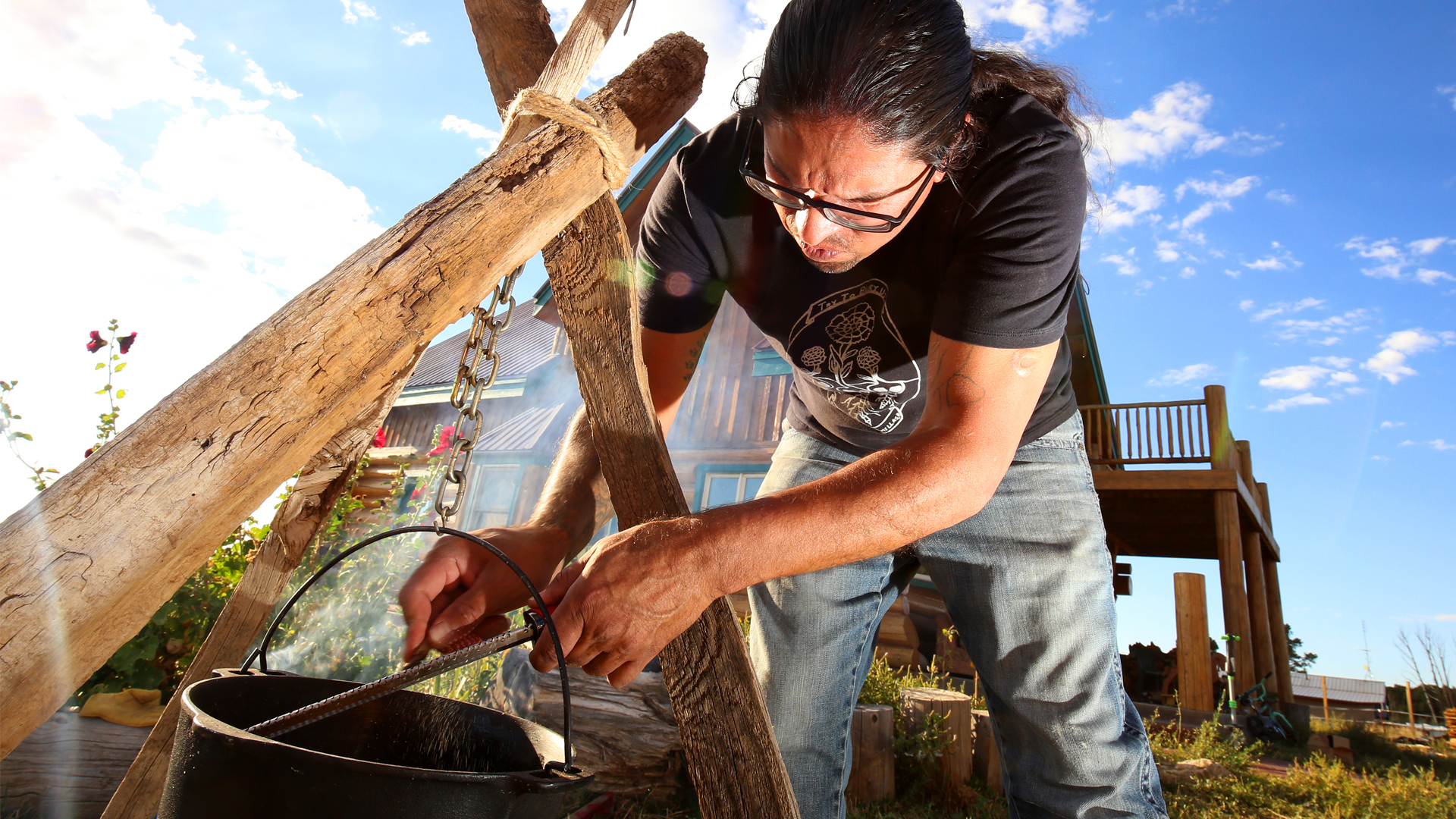
"Native American Heritage Month has evolved from its beginnings as a week-long celebration in 1986, when President Reagan proclaimed the week of November 23-30, 1986 as "American Indian Week." Every President since 1995 has issued annual proclamations designating the month of November as the time to celebrate the culture, accomplishments, and contributions of people who were the first inhabitants of the United States. Through dance, family traditions, and music, these stories show the diversity and long history of Indigenous people across the United States. Celebrate the history, culture, and traditions of American Indians and Alaska Natives in a special collection of films, short stories, and resources from Public Television." PBS offers free documentaries online
Standing Bear v. Crook (1879)
"In the 1870s and ’80s, Chief Standing Bear’s declaration of his humanity in a powerful courtroom speech established him as one of the nation’s earliest civil rights heroes who is starting to gain visibility in the 21st Century."
Read more about this historic landmark civil rights case on the United States Courts website
Read Native American Constitutions and Legal Materials at the Law Library of Congress Collection
Read about Experiencing War: Stories from the Veterans History Project at the Library of Congress
Yazzie and Martinez vs The State of New Mexico 2017
N.M.’s Long Road to Give Yazzie/Martinez Students a Quality Education
Yazzie/Martinez vs State of New Mexico Decision Fact Sheet from the UNM Institute of "Race" and Social Justice
Research
Smithsonian Institution National Museum of Natural History: What Chocolate-Drinking Jars Tell Indigenous Potters Now
Chaco and Chocolate: SAR Impacts with Dr. Patricia Crown
The House of the Cylinder Jars
The Pueblo Bonito Mounds: Formation History, Architectural Context and Representational Fields
Improving Identification for Missing and Murdered American Indians, Using Newly Created New Mexico Decedent Image Database
The Smith Family Totem Pole Repatriation (Tlowitsis Nation)
The Sound of Navajo Country: Music, Language and Diné Belonging
Personal Adornment and the Construction of Identity: A Global Archaeological Perspective
Architecture and the Organization of Labor at Tsegi Phase (AD 1250-1300) Cliff Dwellings, Navajo National Monument
Resource Risk and Stability in the Zooarchaeological Record: The Case of Pueblo Fishing in the Middle Rio Grande, New Mexico
Trade Relationships and Gene Flow at Pottery Mound, New Mexico
Color in the Ancestral Pueblo Southwest
Native American Oral History Program Interviews (UNM Center for Southwest Research)
Dr. Keith Basso: Collected Works (Including Wisdom Sits in Places and Portraits of "the Whiteman": Linguistic Play and Cultural Symbols Among the Western Apache)
American Indian Records in the National Archives
School for Advanced Research: Native Artist Fellows
The Computational Genomics & Technology laboratory (CGaT) announces theSobel Duncan Science for Health in Indigenous Populations (SHIP) Graduate Student Award
Five Ways Native American Communities Honor Turkeys
New Mexico's Digital Collections - New Mexico's Digital Collections (unm.edu)
UNM Libraries: Distinctive Native American Collections
UNM Libraries: The Indigenous Nations Library Program
Guiding Principles in Engaging with Research in Native American Communities
Native American Oral Evidence: Finding a New Hearsay Exception
Native American Philosophy and Perspective of Development
Indian Tribal Governments: Problems and Challenges on the People's Road to Sovereignty
New Mexicans for Tribal Development
White House Conference on Balanced National Growth and Economic Development
Real Choices in Indian Resources Development
Remixing The Archives: Indigenous Interpretations Of History And The Future
Utilizing K'é to Build a New Mexico Higher Education Collaborative: Supporting Native Student Success
The Future of Native American Studies at the University of New Mexico: Responses of Former Program Directors
Contemporary Alaska Native Identities: Creation and Curation by Sonya Kelliher-Combs
Keynote Address Delivered to the Fiftieth Anniversary Celebration of Native American Studies at the University of New Mexico: A Personal History of Native American Studies
The Significance of Native American Studies at the University of New Mexico
Colonialism, Ethnogenesis, and Biogeographic Ancestry in the US Southwest
Southwest Talks: New Mexico Historical Review Interview Series
Regional Domesticities: Recalling, Rewriting, and Redefining Gender and Domesticity in the Greater Southwest
ELLA ANAGICK ORAL HISTORY INTERVIEW FEB 2021
First in Time: The Place of Tribes in Governing the Colorado River System
Native American Oral History Program Interviews - UNM Affiliates, 2012-2015
Oral history interviews of the Alamo Navajo Oral History Project, 1977-1984
UNM Press: Books about the American Indian Experience
News
Students First to Graduate with UNM Native American Studies Master's Degree
'Our Ancestors' Dreams Come True: Deb Haaland Becomes the Nation's Most Powerful Native American Leader
In Unanimous Ruling, SCOTUS Affirms Authority of Native American Tribal Governments and Police Forces
Biden declares October 11 Indigenous Peoples' Day
Navajo Students Describe Pandemic Struggles to Jill Biden
UNM Names the Only Indigenous Chair of Architecture Program in the U.S.
Buried History Coming to Light in New Mexico
In a New Mexico Park, the Buried Bodies of Native American Children are Evidence of Genocide
Human Rights Panel to Hear Navajo Uranium Contamination Case
‘Ignored for 70 years’: Human Rights Group to Investigate Uranium Contamination on Navajo Nation
California to Replace Toppled Junipero Serra Statue at Capitol with a Memorial to Native Tribes
Turning the Tide: Addressing Water Rights in Indigenous Communities
Joy Harjo Appointed to Third Term as US Poet Laureate-Launches Signature Project Living Nations, Living Words
FBI Using Navajo Language in Campaign Targeting Hate Crimes
Native American Artist Teaches Traditional Methods of Making Pueblo Pottery: Award-Winning Project Highlights Symbolism in Native American Pottery
IllumiNative's Crystal Echo Hawk on Why Hollywood Needs a Guide to Native American Representation
Albuquerque Artist Brings Figures to Life with a Deep Look into the Native Soul
The Jingle Dress Project Brings Healing through Indigenous Dance: 'We were trying to figure out how we could best help those people who are in need'
Textile Artist Naiomi Glasses brings Gen Z Visibility to the Navajo Nation
U.S. to Remove "Squaw" from Hundreds of Federal Lands Place Names
Native American Confirmed as Head of National Park Service
UNM School of Law leads 'Environmental Justice Bus Tour' to Pueblo of Laguna
A Native American Photographer is Taking Powerful Portraits of Members of Every Tribe Across the US
Returning the 'Three Sisters' – Corn, Beans and Squash – to Native American Farms Nourishes People, Land and Cultures
Native American Educators, Academics from UNM Named as Top Influential American Indian Scholars
US Approves Indigenous Name Change for Colorado Mountain
How a New Wave of Native Stories Took a 'Sledgehammer' to Hollywood's Closed Doors
UNM Scholar Recognized for Elevating Indigenous Community
UNM Alumna Named Director of the Smithsonian’s National Museum of the American Indian
Mary Golda Ross, the First Known Native American Female Engineer, Is Being Honored With a New Statue
One Down, 500 to Go: Native Nations Contextualize their Own Artifacts at New York Museum
Interior Department says Native American Children were Forced into Assimilation at 408 Federal Boarding Schools
A Newly Issued US Quarter Celebrates Cherokee leader Wilma Mankiller
Native American Youth to be Tapped for Conservation Projects
Will Wilson Topples the Myth of the American Indian
UNM Native American Budget & Policy Institute Names Carmela Roybal Executive Director
Saint Paul Public Schools Unanimously Supports Smudging in Classrooms
Peltola Beats Palin, Wins Alaska House Special Election
Nicole Mann to Become First Native American Woman in Space: 'I feel very proud'
Applications Open for New Native American Studies PhD Program
Native American Student Looks at Research through Traditional Lens
Tribe Seeks to Adapt as Climate Change Alters Ancestral Home
First-of-its-Kind Indigenous Child Language Research Center Launched (UNM Department of Linguistics and the Lobo Language Acquisition Lab)
Navajo Code Talker Collections Donated to CSWR
Maxwell Museum of Anthropology: Milestone Exhibit Honors Generational Histories of Pueblo Pottery
UNM-Gallup Accepts Challenge to Better Serve Native American Students
UNM's Tamarind Institute Releases Emmi Whitehorse Monotypes
More than Historic: One-on-One with Navajo Nation VP and UNM Alumnus Richelle Montoya
UNM Researcher Fights Unfair School Discipline for Native American Students
IAIE Program Prepares New Wave of Native American Teachers
Two Special Native American Studies Alumni [joined] Graduates at Convocation Ceremony
20 Essential Books by Indigenous Authors
UNM's Department of Native American Studies Welcomes First Ph.D. Students
Cradle of culture: How do children learn Navajo?: UNM Newsroom
At age 83, Jaune Quick-to-See Smith is in the headlines as Native American artist, activist
UNM Hospital’s Commitment to Native American Care
UNM Hospital’s Commitment to Native American Care
UNM Hospital Breaking Language Barriers with Recent Medical Interpreter Training Program at the Zuni Pueblo
Native American-Led Nonprofit Says it Bought 40 Acres in the Black Hills of South Dakota
UNM to Mark 20 Years of Native American Studies Degree
UNM Alum Returns to Campus with Award-Winning, Indigenous Thriller
UNM College of Nursing Partners with Navajo Technical University to Build Nursing Workforce
UNM Alum Contributes to Navajo Language Preservation
Earth Data Analysis Center signs contract with Navajo Nation
UNM Department of Music performs in the world premiere of Raven Chacon’s Tiguex
UNM Associate Professor Sarah Hernandez Receives Henry Luce Foundation Grant for Groundbreaking Anthology
UNM Alum Contributes to Navajo Language Preservation
UNM-Taos Pueblo Partnership: Rooted in Respect, Empowering Students
UNM Honors Outstanding Seniors with 2026 Clauvé Awards
Organizations
Society of Native American Graduate Students
Association of Indigenous Anthropologists
Native American Heritage Association
American Indian Science and Engineering Society
First Nations Development Institute
The National Congress of American Indians (NCAI)
Americans for Indian Opportunity